inquiry
laat een bericht achter
Als u geïnteresseerd bent in onze producten en meer details wilt weten, laat dan hier een bericht achter, we zullen u zo snel mogelijk antwoorden.
indienen
Bengbu Longkai Lasbeschermingstechnologie Co., Ltd.
Thuis

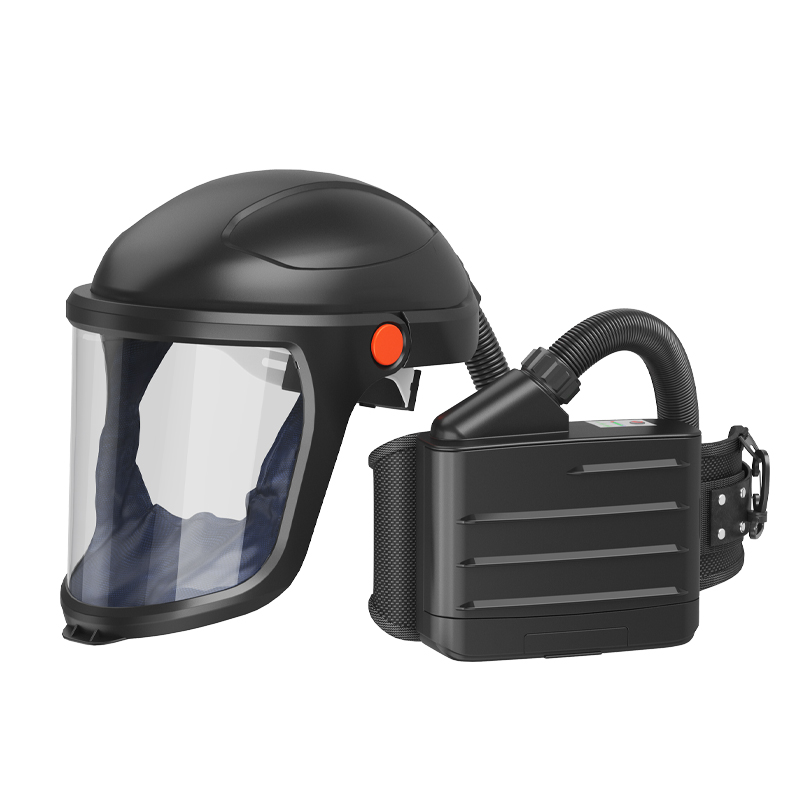
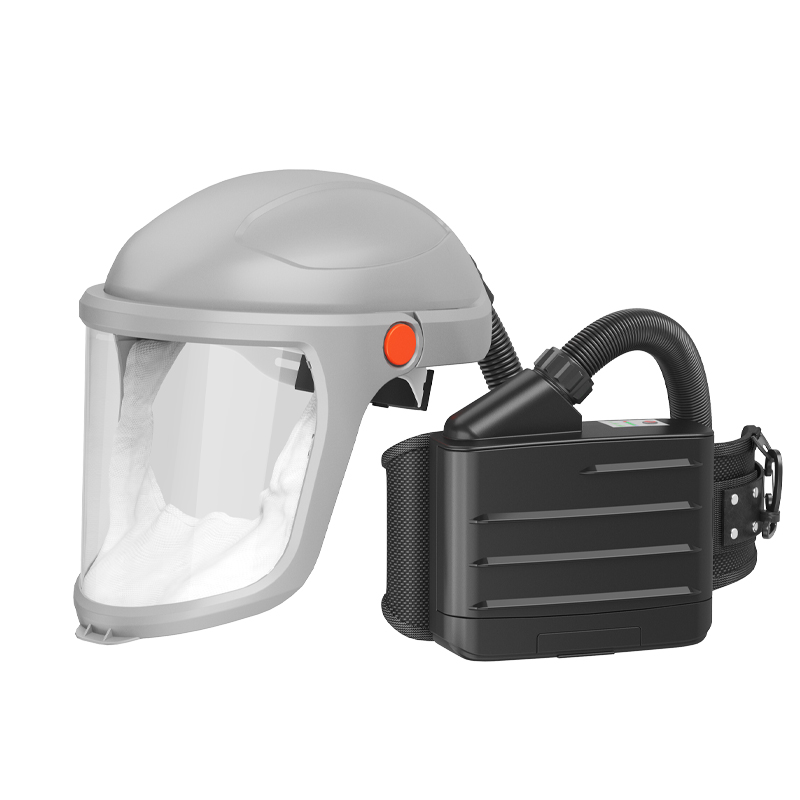
Aangedreven luchtzuiverende ademhalingsbescherming met opklapbare ADF

Aangedreven luchtzuiverende ademhalingsbescherming met opklapbare ADF

  • AS/NZS 1716:2012: Compliance Standard for PAPR Respirators
    AS/NZS 1716:2012: Compliance Standard for PAPR Respirators
    Jul 13, 2026
      In the industrial safety system of Australia and New Zealand, the compliance of respiratory protection equipment is a core part of workplace risk prevention and control. As an official standard for respiratory protective devices jointly issued by the two regions, AS/NZS 1716:2012 serves as the statutory basis for the access, testing, and application of all respiratory protection equipment. Many practitioners are familiar with the P1, P2, and P3 classification of disposable filtering masks, yet often overlook the profound correlation between this standard and Powered Air-Purifying Respirators (PAPRs). Unlike conventional passive respirators, PAPRs adopt an electric air supply system to actively purify air and reduce breathing resistance, delivering higher protection levels and broader application scenarios. Undoubtedly, AS/NZS 1716:2012 is the authoritative specification that defines the product performance, testing criteria, and compliance thresholds of PAPRs, as well as the core guideline for the selection, acceptance, and maintenance of papr air purifier equipment in Australian and New Zealand workplaces.   It is essential to clarify the core definition: AS/NZS 1716:2012 is not limited to regulating simple protective masks, but covers all categories of respiratory protection equipment including PAPRs. This standard stipulates the manufacturing requirements, performance indicators, testing methods, and certification specifications for various respiratory protective devices, applicable to all workplace scenarios involving harmful dust, aerosols, and particulate contaminants. Compared with traditional negative-pressure respirators, PAPRs feature unique electric air supply structures, enclosed designs, and continuous air delivery functions. Accordingly, the standard sets independent special testing dimensions for PAPRs, covering critical indicators such as air supply stability, filtration efficiency, overall equipment tightness, battery durability, and structural safety. It establishes a testing system completely different from that of ordinary masks, fundamentally preventing non-compliant PAPR devices from being put into workplace use.   The filtration classification system constitutes the core content of AS/NZS 1716:2012 for regulating PAPR protection performance. Adopting the exclusive Australian and New Zealand three-tier particulate filtration classification of P1, P2, and P3, the standard precisely defines the filter element performance of PAPRs. The P1 grade is suitable for low-concentration dust scenarios with basic filtration efficiency requirements met. The P2 grade can filter over 94% of fine particles of 0.3 microns, covering most industrial dust, welding fume, and aerosol scenarios, making it the mainstream configuration for workplace PAPRs. As the highest protection grade, P3 features stringent requirements for filtration accuracy and sealing performance, tailored for high-pollution and high-risk operating environments. All compliant powered respirators devices must be marked with the corresponding classification on the body or packaging. Products with air supply functions but without classification certification under this standard are not recognized by the Australian and New Zealand workplace safety system.   Beyond filter element filtration performance, AS/NZS 1716:2012 also stringently regulates the overall safety and operational performance of PAPRs. For the exclusive electric air supply system of PAPRs, the standard mandates stable airflow delivery to avoid insufficient air supply or airflow interruption, while imposing strict requirements on equipment airtightness, leakage prevention, and material safety. In addition, the standard differentiates the application requirements for tight-fitting and loose-fitting PAPRs, specifying that tight-fitting models must undergo professional fit testing while loose-fitting models are exempted, providing clear specifications for on-site enterprise implementation. Furthermore, the standard covers routine inspection, fault judgment, and service life thresholds for PAPRs, forming a standardized basis for daily equipment operation and maintenance. In the Australian and New Zealand workplace compliance framework, AS/NZS 1716:2012 forms a complementary closed-loop system with AS/NZS 1715:2009 to regulate the full lifecycle management of PAPRs. AS/NZS 1716 focuses on product performance and compliance certification, answering the core question of whether the equipment is qualified. In contrast, AS/NZS 1715 governs the selection, application, training, maintenance, and scrapping processes of equipment, standardizing correct operational practices. Enterprises adopting PAPRs must meet the requirements of both standards: the equipment itself shall be certified per AS/NZS 1716:2012, and its usage and maintenance procedures shall comply with AS/NZS 1715. This dual-standard system ensures the high-level protective performance of PAPRs can be fully realized, effectively reducing occupational health risks caused by dust and particulate pollutants.   In summary, AS/NZS 1716:2012 is the fundamental compliance benchmark for PAPR application in Australia and New Zealand. It not only builds a dedicated performance testing and classification system for PAPRs, distinguishing high-level powered air protection from ordinary negative-pressure protection, but also clarifies the access criteria and safety thresholds for workplace PAPR deployment. For industrial enterprises, safety practitioners, and equipment suppliers, a thorough understanding of the PAPR-specific specifications in this standard helps protect workers’ occupational health, eliminate potential safety hazards, ensure compliant equipment selection, and pass workplace safety inspections smoothly. It is an essential core criterion for standardized respiratory protection management across Australia and New Zealand.If you want know more, please click www.newairsafety.com.
    LEES VERDER

  • NEW AIR PAPR with Multi-Functional Flip-Up Welding Helmet
    NEW AIR PAPR with Multi-Functional Flip-Up Welding Helmet
    Jun 18, 2026
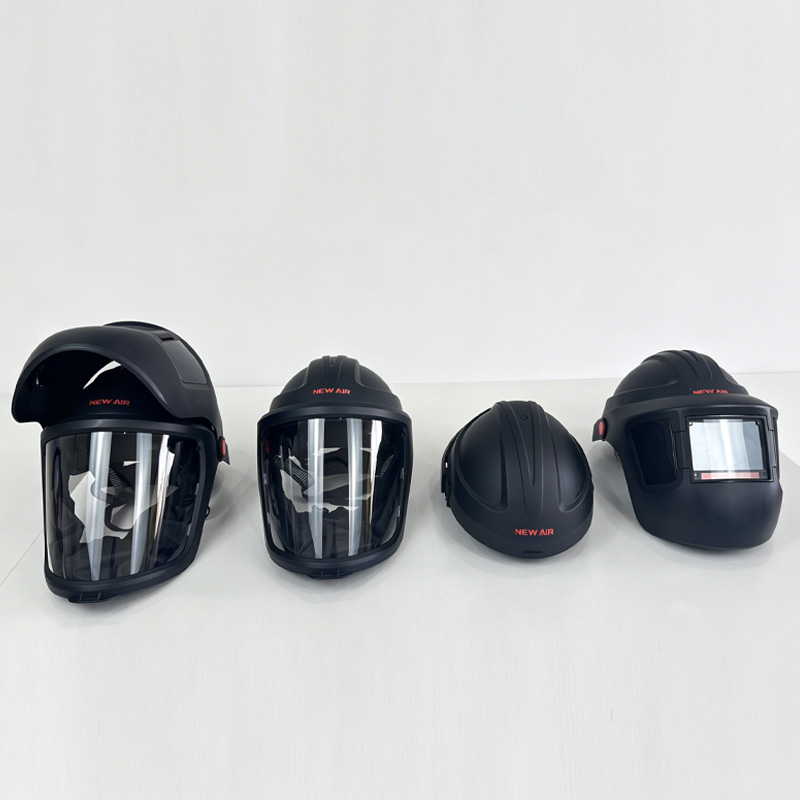
    For welders, grinders and construction workers, constantly switching between different safety gears wastes working hours, takes up storage space and brings hidden safety risks. Boasting an innovative modular structure, the NEW AIR flip-up welding safety helmet delivers genuine 4-in-1 performance. It can be quickly converted into four independent protection modes with just one unit, removing the need to purchase separate safety hard hats and welding masks. Whether you conduct metal grinding, arc welding, daily site operations, or work in dusty environments requiring powered air ventilation, this multi-functional helmet switches modes in seconds to match all kinds of working demands. The first basic mode: Integrated flip-up welding & grinding helmet. No disassembly is required, as it combines welding and grinding functions in one piece. After finishing welding work, simply flip up the welding cover to instantly switch to the clear grinding visor mode. You won’t need to take off the helmet repeatedly when alternating between welding and grinding tasks.   The second mode: Safety hard hat with panoramic clear protective visor. Remove the welding cover, and you will get full-face protection with an ultra-wide viewing area that blocks flying metal chips, grinding sparks, chemical splashes and dust. This mode is specially tailored for grinding, cutting, polishing and pre-processing procedures. Thanks to the flip-up structure, you can lift the entire clear visor with ease, allowing you to communicate with co-workers and inspect workpieces without removing the helmet, which greatly improves work efficiency during repetitive grinding operations.   The third basic mode: Standalone industrial safety hard hat. Take off the face visor, and the sturdy impact-resistant shell can be used alone as a standard construction hard hat. Certified to EN397 standards, it fully meets workplace safety codes for fall and impact resistance. It fits perfectly for daily site inspections, material handling, light assembly and other jobs that do not require full-face coverage. The thickened reinforced shell defends against falling debris, while the adjustable internal head harness delivers comfortable all-day wear for outdoor and workshop shift work. The fourth mode: Professional welding safety helmet. Remove the clear visor and install the welding cover, and the whole unit transforms into a dedicated welding mask. Its dual-window design features a large auto-darkening lens plus an auxiliary side viewing window, which greatly broadens the field of vision for TIG, MIG and stick welding. Traditional welding masks offer no head impact protection, but this all-in-one helmet retains the shock-resistant hard hat shell to protect your head from falling workpieces during welding. It also features a lighter overall weight for less fatigue.   What makes the NEW AIR helmet stand out above other multi-functional protective gears is its full compatibility with self-developed PAPR (Powered Air-Purifying Respirator). The helmet fitted with a clear visor can be directly matched with our proprietary air papr unit. During grinding, polishing and metal-dust-intensive work, the ventilation system continuously delivers filtered clean air into the helmet to prevent inhalation of harmful particles. The full welding configuration is also compatible with the matching blower: constant fresh airflow isolates toxic welding fumes, stops fogging on both the clear visor and auto-darkening lens, and eliminates the stuffy, suffocating discomfort that plagues users of enclosed welding masks after long hours of wear.   From basic construction site work and heavy-duty grinding to professional welding and high-fume high-risk industrial tasks, the NEW AIR flip-up welding safety helmet integrates four separate protective devices into a single unit. It delivers higher cost performance, saves storage space, and eliminates the trouble of frequently swapping safety equipment between different working procedures. When paired with the PAPR powered air supply system, it provides comprehensive protection for the head, face and respiratory tract all at once, making it the ideal all-in-one safety solution for welders and manufacturing industry practitioners.If you want know more, please click www.newairsafety.com.
    LEES VERDER
  • Waarom houtbewerkers een PAPR nodig hebben
    Waarom houtbewerkers een PAPR nodig hebben
    Dec 15, 2025
     Bij houtbewerking denken mensen vaak aan rondvliegende houtkrullen en de rijke geur van hout. Maar weinigen besteden aandacht aan de onzichtbare 'gezondheidsbedreigende factor': houtstof. Veel vakmensen zijn gewend om tijdens het werk een gewoon masker te dragen, in de veronderstelling: "Zolang de grote deeltjes maar worden tegengehouden, is het prima." Maar met de toenemende aandacht voor gezondheid op de werkplek, kiezen steeds meer vakmensen voor alternatieve beschermingsmiddelen. PAPR-systeemLaten we vandaag eens onderzoeken waarom houtbewerking, een ogenschijnlijk 'alledaags' ambacht, zulke 'professionele' beschermingsmiddelen vereist. Ten eerste is het cruciaal om te begrijpen dat de gevaren van houtstof veel groter zijn dan u zich misschien voorstelt. Houtverwerking genereert niet alleen zichtbare houtsnippers, maar ook een grote hoeveelheid inhaleerbare deeltjes (PM2.5). Deze minuscule deeltjes kunnen diep in de luchtwegen doordringen en langdurige ophoping kan leiden tot beroepsziekten zoals pneumoconiose en bronchitis. Wat nog zorgwekkender is, is dat stof van sommige hardhoutsoorten (zoals palissander en eik) allergene bestanddelen bevat, die bij contact huidirritatie en astma-aanvallen kunnen veroorzaken. Reguliere maskers hebben ofwel een onvoldoende filterefficiëntie of sluiten slecht af – stof kan gemakkelijk door de openingen rond de neus en kin sijpelen, waardoor hun beschermende werking sterk afneemt. Het belangrijkste voordeel van een ademhalingsmasker met positieve luchtzuivering Het geheim zit hem in de "actieve bescherming + hoogefficiënte filtratie": het apparaat zuigt actief lucht aan via een ingebouwde ventilator, filtert deze door een HEPA-filter en voert de schone lucht vervolgens naar het masker, waardoor stof bij de bron wordt tegengehouden. De complexiteit van houtbewerkingsscenario's benadrukt nogmaals de onvervangbaarheid van PAPR-maskers. Houtbewerkers voeren uiteenlopende taken uit, van zagen en schaven tot schuren en afwerken. Elk proces produceert verschillende verontreinigende stoffen: het zagen van hardhout genereert veel scherpe houtspanen, schuren creëert ultrafijn stof en afwerken kan gepaard gaan met vluchtige organische stoffen (VOC's). Gewone maskers bieden vaak geen bescherming tegen dergelijke "samengestelde vervuiling", maar PAPR-maskers kunnen worden uitgerust met verschillende filters, afhankelijk van het proces. Ze filteren niet alleen stof, maar bieden ook bescherming tegen gasvormige verontreinigende stoffen zoals VOC's. Belangrijker nog, houtbewerking vereist vaak frequent bukken en draaien, waardoor gewone maskers gemakkelijk kunnen verschuiven. PAPR-maskers zijn echter ontworpen om nauwsluitend op het gezicht te passen en worden vastgezet met een hoofdband of veiligheidshelm. Zelfs bij het bukken om een ​​tafelblad te schuren of bij het langdurig kantelen van het hoofd om hout te zagen, blijven ze goed afsluiten. Comfort tijdens lange werkdagen is een belangrijke reden waarom PAPR-systemen steeds populairder worden onder houtbewerkers. Het is niet ongebruikelijk dat houtbewerkers meer dan 8 uur per dag werken. Reguliere maskers, vooral de hoogwaardige maskers zoals N95's, hebben een slechte adembaarheid. Het langdurig dragen ervan kan leiden tot benauwdheid op de borst, kortademigheid en afdrukken op het gezicht. PAPR-systemen daarentegen handhaven een lichte overdruk in het masker door middel van een continue actieve luchttoevoer, waardoor de ademhaling soepeler verloopt en benauwdheid effectief wordt verminderd. Sommigen denken misschien dat aangedreven ademhalingsapparatuur Ze zijn duurder dan gewone maskers en bieden een slechte prijs-kwaliteitverhouding. Maar vanuit het perspectief van de gezondheidskosten op de lange termijn is deze investering absoluut de moeite waard. De behandelingskosten voor beroepsziekten zoals pneumoconiose zijn hoog, en eenmaal opgelopen zijn ze moeilijk te genezen, wat de levenskwaliteit en het arbeidsvermogen ernstig beïnvloedt. Een betrouwbaar PAPR-systeem kan lang meegaan, mits het filter regelmatig wordt vervangen. Het beschermt niet alleen uw gezondheid, maar voorkomt ook ziekteverzuim. Voor professionele houtbewerkingsbedrijven is het verstrekken van PAPR-systemen aan werknemers ook een uiting van maatschappelijk verantwoord ondernemen, wat de teamcohesie en de veiligheid op het werk kan verbeteren. Houtbewerking is een ambacht dat geduld en vindingrijkheid vereist. Het beschermen van uw gezondheid is essentieel om dit ambacht beter te kunnen uitoefenen. Gewone maskers zijn wellicht voldoende voor kortstondige blootstelling aan lichte stof, maar voor langdurige, complexe houtbewerkingswerkzaamheden zijn de hoogwaardige bescherming, het comfort en de gezondheidsveiligheid die PAPR-systemen bieden onvervangbaar door gewone beschermingsmiddelen. Laat "eraan gewend zijn" of "het is oké" geen verborgen bedreiging voor uw gezondheid worden. Voeg een PAPR-systeem toe aan uw werkbank en maak elke schaaf- en schuursessie een stuk veiliger. Klik hier voor meer informatie. www.newairsafety.com.
    LEES VERDER
  • Ademhalingsbescherming bij lassen: PAPR in 4 lasmethoden
    Ademhalingsbescherming bij lassen: PAPR in 4 lasmethoden
    Oct 25, 2025
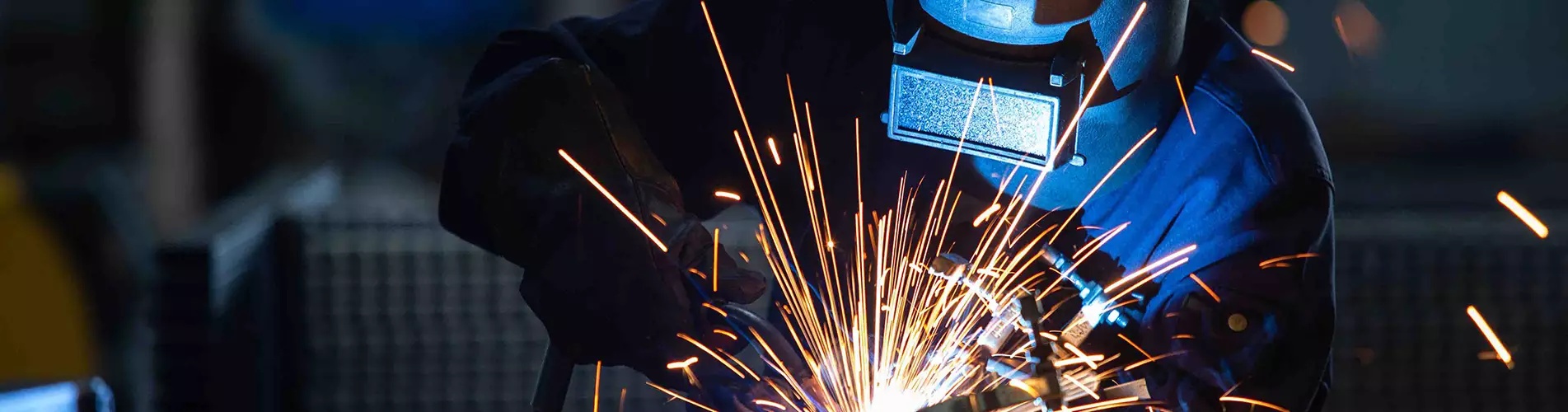
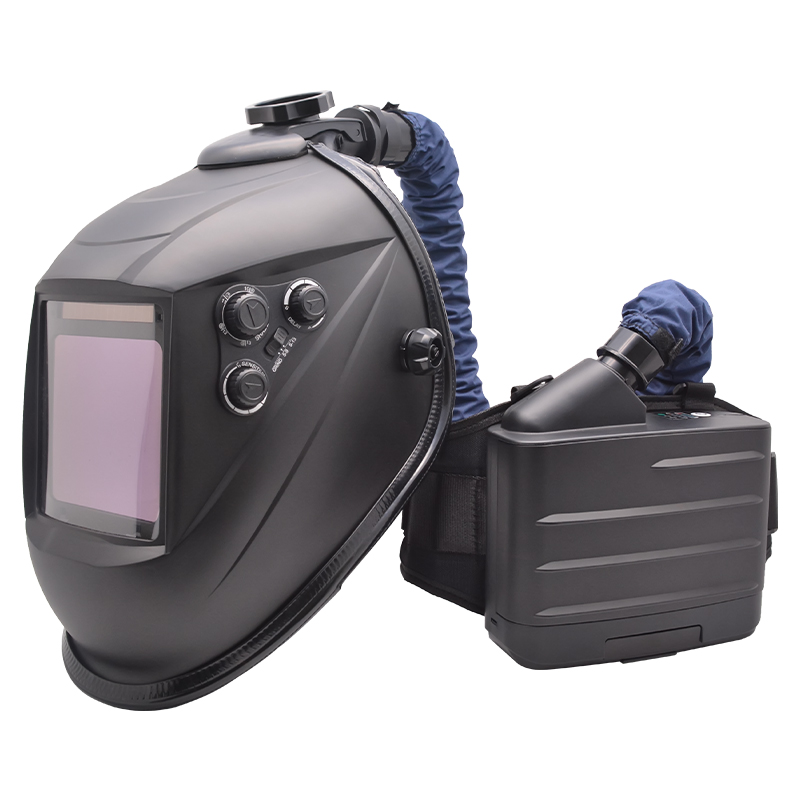
    Bij het lassen vormen dampen en giftige gassen een bedreiging voor de ademhalingsgezondheid van werknemers. Als efficiënt beschermingsmiddel Aangedreven luchtbeademingssysteem fungeren als een "adembarrière" voor verschillende lasscenario's. Begrijpen hoe PAPR zich aanpast aan verschillende lasmethoden is cruciaal voor de veiligheid. Bij Shielded Metal Arc Welding (SMAW) komen grote hoeveelheden metaaldampen vrij (bijvoorbeeld ijzeroxide en mangaandioxide) die pneumoconiose veroorzaken. Traditionele maskers hebben een beperkt effect en een hoge ademweerstand. Aangedreven beademingsapparaat maakt gebruik van een ingebouwde ventilator om gefilterde lucht aan te voeren. Hierdoor worden weerstandsproblemen opgelost en wordt meer dan 95% van de fijne dampen geblokkeerd door zeer efficiënte filterpatronen. Plasmabooglassen en -snijden genereert metaaldamp met een hoge concentratie en ozon als gevolg van extreme temperaturen. PAPR biedt "dubbele bescherming" met ozon-specifieke filters en hoogrendementsfilters. Het brede gezichtsscherm voldoet ook aan de precisievereisten van plasmabewerkingen zonder de efficiëntie te beïnvloeden. Bij Carbon Arc Gouging komen koolstofstof, ijzeroxidedampen en giftige gassen (CO, stikstofoxiden) vrij. PAPR gebruikt composietfilters om zowel dampen als gassen te verwijderen, terwijl het afgedichte gelaatsscherm lekkage van verontreinigende stoffen voorkomt en zo volledige bescherming biedt. Bij autogeen lassen en snijden worden brandbare gassen gebruikt. Hierbij komen giftige gassen vrij (CO, acetyleen). Deze hopen zich op in slecht geventileerde ruimtes. Ademhalingsapparaat met aangedreven luchttoevoer is uitgerust met organische dampfilters om schadelijke gassen te absorberen en het positieve druksysteem blokkeert externe verontreinigingen, zelfs in afgesloten ruimtes. Van SMAW tot autogeen snijden, PAPR past zich aan diverse verontreinigingseigenschappen aan via flexibele filtering, actieve luchttoevoer en afgedichte bescherming. De juiste PAPR kiezen beschermt de gezondheid van werknemers en verhoogt de operationele veiligheid. Wilt u meer weten? www.newairsafety.com.
    LEES VERDER
  • Geavanceerde lasbescherming: MAG-lassen en PAPR-onderhoud
    Geavanceerde lasbescherming: MAG-lassen en PAPR-onderhoud
    Oct 15, 2025
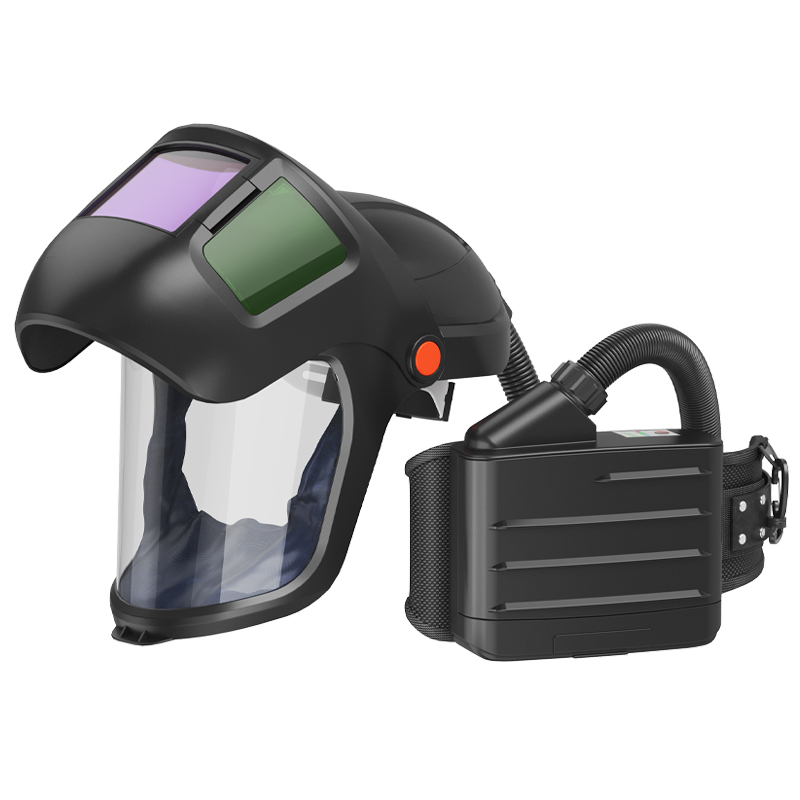
    In deel 1 hebben we de TIG/MIG-PAPR-matching besproken. Laten we nu eens kijken naar MAG (Metal Active Gas Welding), een zwaar proces voor stalen bruggen of bouwmachines. Hierbij worden argon-CO₂-mengsels gebruikt, waarbij 3 tot 5 keer meer dampen vrijkomen dan bij TIG, plus giftige CO en stikstofoxiden. We delen ook universele PAPR regels om uw bescherming betrouwbaar te houden.MAG-lassen: "Zware gevaren" vereisen "Zware PAPR's"De drievoudige bedreigingen van MAG (hoge dampen, giftige gassen, zware omstandigheden) vereisen PAPR's met: Combinatiefilters: HEPA voor stof + actieve kool voor CO/NOₓ (cruciaal voor gesloten ruimtes);Gezichtsmaskers met capuchon: Bedek de schouders om door de wind verspreide dampen te blokkeren (belangrijk bij klussen buitenshuis, zoals het werken aan bruggen);Robuust ontwerp: Trillingsbestendige ventilatoren (MAG-lassen trillen hevig) en verwisselbare batterijen (voor 8 uur durende buitendiensten zonder stroom).Universele PAPR-selectie: 3 eenvoudige stappenKies niet op merk of prijs, maar volg dit: Gevaartype: TIG (gas + licht stof) → basisfilters; MIG (zwaar stof + spatten) → hoge luchtstroom/spatbestendig; MAG (stof + gifstoffen) → combifilters + afzuigkappen.Dienstlengte: ≤2 uur → lichtgewicht PAPR's; ≥4 uur → filters/luchtstroom met hoge capaciteit.Omgeving: Vaste binnenstations → vaste PAPR's; buiten/mobiel → draagbare modellen op batterijen.PAPR-onderhoud: laat apparatuur niet 'geruisloos' falenPapr-systeem verliezen hun effectiviteit als ze worden verwaarloosd. Dit is wat u moet doen: Filters vervangen: TIG (1–2 weken), MIG (3–5 dagen), MAG (dagelijks indien vuil); vervang de koolstoffilters maandelijks of wanneer u dampen ruikt.Controleer de luchtstroom: Test wekelijks: TIG/MIG-verbruik ≥ 150 l/min, MAG ≥ 180 l/min. Reinig de ventilatorinlaten met perslucht indien laag.Verzorging van gezichtsmaskers: Veeg de anti-condensfolie na gebruik af. Vervang de anti-condensfolie als er krassen op zitten (condens belemmert het zicht en de veiligheid). Van TIG tot MAG, PAPR's werken het beste wanneer ze zijn afgestemd op de gevaren en goed worden onderhouden. Voor lassers is een aangedreven luchtmasker is niet zomaar een uitrusting, het is je eerste verdedigingslinie voor een goede gezondheid op de lange termijn. Als je meer wilt weten, kun je hier klikken www.newairsafety.com.
    LEES VERDER

laat een bericht achter

laat een bericht achter
Als u geïnteresseerd bent in onze producten en meer details wilt weten, laat dan hier een bericht achter, we zullen u zo snel mogelijk antwoorden.
indienen
NEEM CONTACT MET ONS OP: sales@txhyfh.com

Thuis

Producten

Whatsapp

Neem contact met ons op