When selecting, testing and deploying Powered Air Respirator System (PAPRs), NPF and APF are two commonly encountered parameters that are often confused. Many professionals wonder why authoritative product standards for PAPRs such as EN12941 specify performance testing but do not include APF. The fundamental reason is that NPF is a laboratory product performance metric, while APF is a field-focused practical protection parameter. They differ in definition, test conditions and application purpose, and understanding both is essential for compliant PAPR deployment.
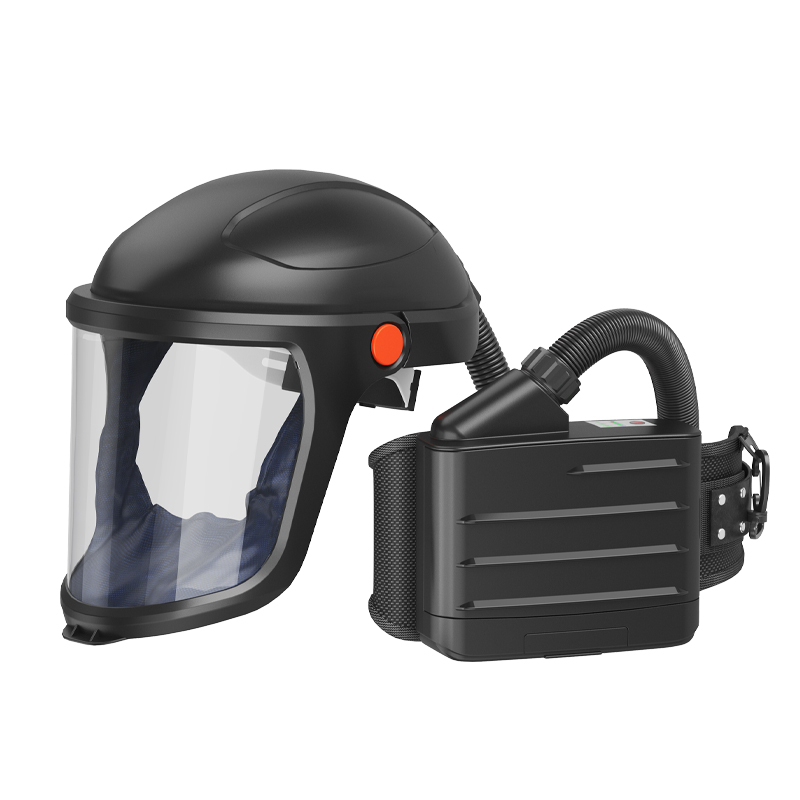
First, NPF (Nominal Protection Factor) is a laboratory metric for product type certification under EN12941. When manufacturers submit papr system kits for testing, the complete assembly is evaluated in a controlled laboratory environment to measure Total Inward Leakage (TIL), from which the NPF value is calculated. This also determines the product’s TH1, TH2 or TH3 protection class. Tests are carried out under highly controlled conditions with defined test subjects, airflow and fitting procedures. NPF establishes the maximum achievable protection of the hardware itself and serves as the key basis for CE certification and product classification. However, it cannot represent real-world protection performance at work sites.
APF (Assigned Protection Factor), by contrast, is a practical parameter for on-site safety management, primarily used for hazard assessment and respirator selection. As defined in the EN529 guidance for selection, use and maintenance of respiratory protective equipment, APF describes the contaminant reduction factor achievable in over 95% of field conditions, provided users are properly trained, equipment remains intact and respirators are worn correctly. It accounts for real-world variables including variations in facial characteristics, body movement during work, ambient air turbulence and equipment wear over time. APF is the compliant reference companies must use to verify whether a PAPR is suitable for a given contaminant concentration.
The core distinction boils down to ideal performance limit versus real-world safety baseline. NPF represents the theoretical peak protection achieved under optimal laboratory conditions. For example, an EN12941-certified Class TH3 positive airflow respirator delivers an NPF of 500 in lab tests, yet this level of performance can hardly be replicated in busy workshops or construction sites. APF is a conservative safety value derived from extensive field experience. It discounts all potential real-world uncertainties and is always lower than NPF. This prevents over-reliance on theoretical protection levels and mitigates safety risks to protect workers’health.
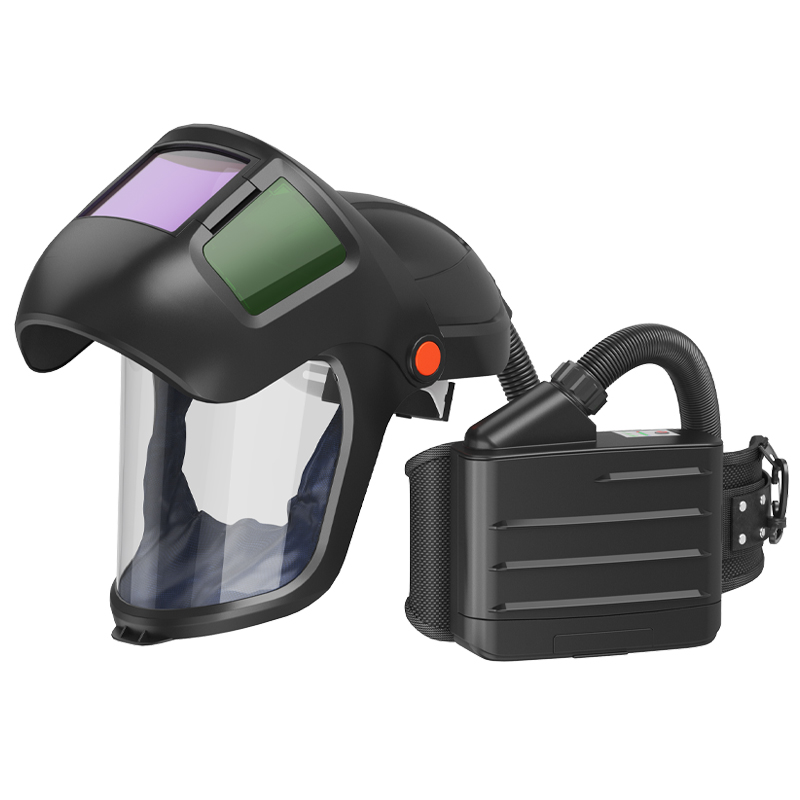
In industrial practice, their roles are clearly separated. During R&D, product testing and certification audits, NPF and TH classification are the accepted benchmarks to define product quality. When companies conduct site risk assessments, match respirators to workplace hazards and develop protection plans, APF must be used. Compliance is confirmed by comparing APF against the workplace hazard factor. To summarise: NPF defines the product’s upper limit for certification and grading; APF sets the minimum safe performance for field operation. Both are necessary and complementary.
NEW AIR has years of expertise in the R&D, manufacturing and compliance support of respiratory protection equipment. We fully understand the standard logic and practical gaps between NPF and APF. All our PAPRs undergo type testing in line with EN12941 to guarantee validated NPF ratings and robust hardware performance. We build professional, reliable respiratory protection barriers for industrial workers across all applications.If you want know more, please click www.newairsafety.com.




 IPv6-netwerk ondersteund