Jan 20, 2026
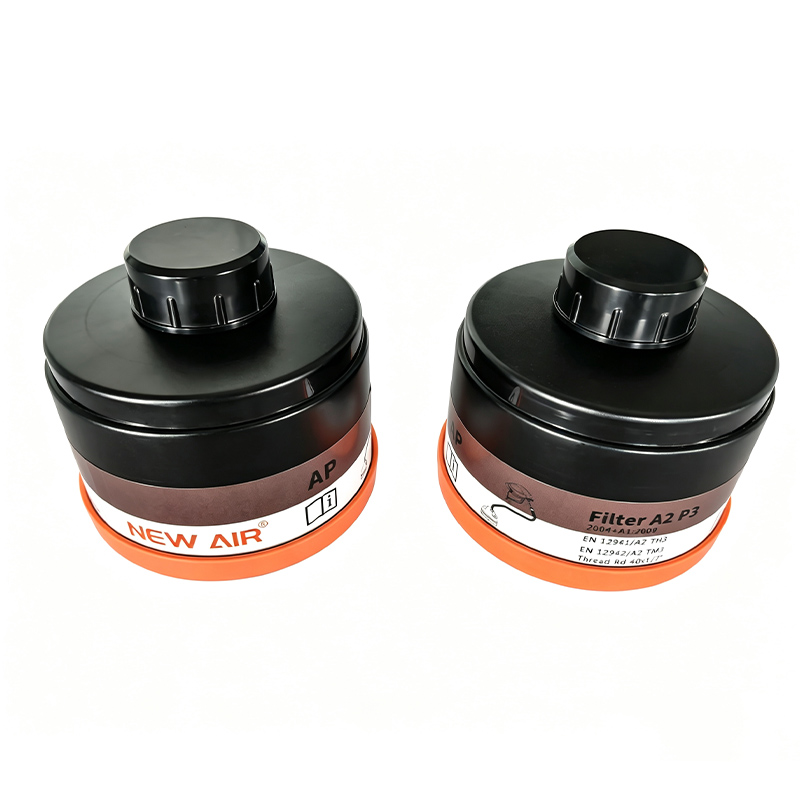
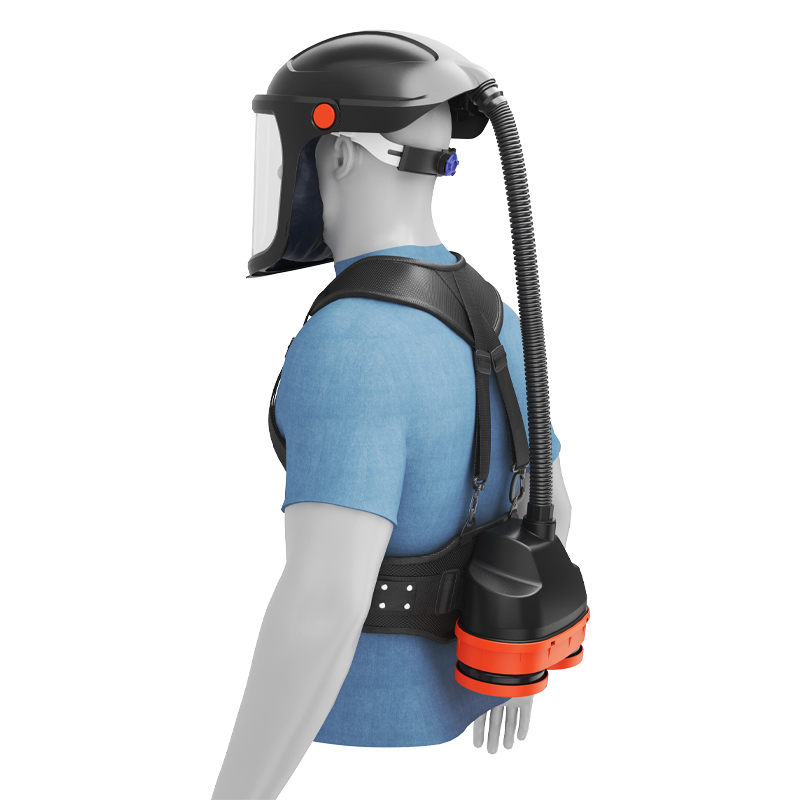
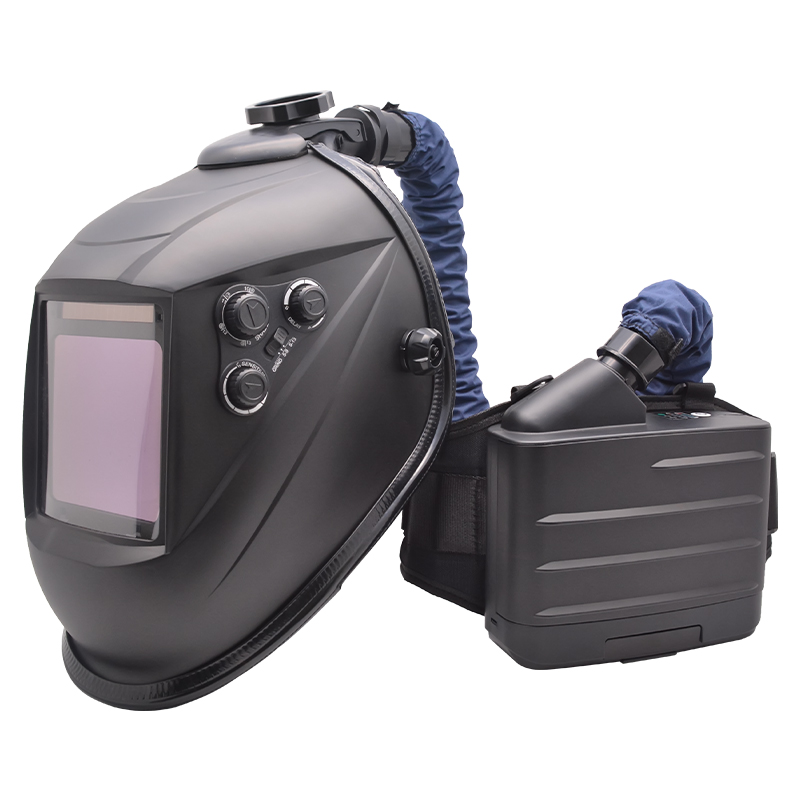
Sloopwerkzaamheden vinden plaats in complexe en wisselende omgevingen. Van het afbreken van muren van oude gebouwen tot het ontmantelen van industriële installaties, verontreinigende stoffen zoals stof, schadelijke gassen en vluchtige organische stoffen (VOC's) zijn alomtegenwoordig, waardoor er extreem hoge eisen worden gesteld aan de ademhalingsbescherming van de werknemers. batterijgevoed ademhalingsapparaat PAPR-systemen zijn essentiële beschermingsmiddelen geworden bij sloopwerkzaamheden vanwege hun voordelen, zoals bescherming door overdruk en een lage ademhalingsbelasting. Niet alle PAPR-systemen zijn echter geschikt voor alle situaties; het kiezen van het juiste type is cruciaal voor een solide bescherming van de ademhalingsveiligheid. In vergelijking met traditionele ademhalingsmaskers met onderdruk, leveren PAPR-systemen actief lucht via een elektrische ventilator. Dit vermindert niet alleen de ademhalingsvermoeidheid tijdens intensieve werkzaamheden, maar voorkomt ook dat verontreinigende stoffen door de overdruk in het masker naar binnen lekken, waardoor de betrouwbaarheid van de bescherming aanzienlijk wordt verbeterd. Voor sloopwerkzaamheden waarbij veel stof vrijkomt, hebben ademhalingsbeschermingssystemen met deeltjesfilters de voorkeur. Bij dergelijke werkzaamheden worden vaak beton, metselwerk, hout en andere materialen gesloopt, waarbij inhaleerbaar stof – met name fijnstof (PM2.5) – de belangrijkste verontreinigende stof is. Langdurige inademing kan gemakkelijk pneumoconiose veroorzaken. Bij de keuze van een model moet gebruik worden gemaakt van hoogefficiënte deeltjesfilters (HEFF) en kan het masker worden gekozen op basis van de gewenste operationele flexibiliteit. Voor buitenwerkzaamheden, zoals het slopen van muren en vloeren, zijn ademhalingsbeschermingssystemen met een kap geschikter. Deze vereisen geen pasvormtest op het gezicht, bieden een groot aanpassingsvermogen en kunnen ook bescherming bieden tegen hoofdletsel. Voor krappe werkruimtes met extreem hoge stofconcentraties wordt het gebruik van nauwsluitende ademhalingsbeschermingssystemen met een minimaal luchtdebiet van 95 l/min aanbevolen. Deze systemen sluiten goed aan op het gezicht en voorkomen dat stof door kieren kan binnendringen. Voor sloopwerkzaamheden waarbij schadelijke gassen vrijkomen, zijn gecombineerde PAPR-systemen (ademhalingsbeschermingssystemen met luchtfiltering) vereist. Tijdens de sloop van oude gebouwen komen vluchtige organische stoffen zoals formaldehyde en benzeen vrij uit verf en coatings, terwijl bij de ontmanteling van industriële installaties giftige gassen zoals ammoniak en chloor kunnen vrijkomen. In dergelijke gevallen biedt een PAPR-systeem met enkelvoudige deeltjesfiltering onvoldoende bescherming. Er moeten dubbele filterelementen (deeltjes + gas/damp) worden gebruikt, waarbij de selectie nauwkeurig is afgestemd op het type verontreinigende stof: actieve koolstoffilters voor organische dampen en chemische adsorptiefilters voor zure gassen. Voor deze scenario's hebben nauwsluitende PAPR-systemen met overdruk de voorkeur. In combinatie met geforceerde luchttoevoer filteren ze niet alleen effectief schadelijke gassen, maar verminderen ze ook de hoeveelheid verontreinigende stoffen in het masker door continue luchttoevoer, terwijl het risico op vergiftiging door lekkage van het masker wordt voorkomen. Speciale scenario's vereisen een gerichte selectie van specifieke elementen. loszittende, elektrisch aangedreven ademhalingsmaskers met luchtzuiveringHet slopen van asbestbevattende onderdelen is een zeer risicovolle operatie – asbestvezels veroorzaken na inademing onherstelbare longschade. Er moeten ademhalingsbeschermingssystemen (PAPR's) worden gebruikt die voldoen aan de asbestbeschermingsnormen, in combinatie met hoogrendements HEPA-filters. Daarnaast moeten kapvormige systemen worden gebruikt om vezellekkage door onjuist dragen van nauwsluitende maskers te voorkomen. De kap moet tevens worden gedragen in combinatie met chemisch beschermende kleding voor volledige lichaamsbescherming. Bij sloopwerkzaamheden in besloten ruimtes zoals kelders en pijpschachten moet eerst het zuurstofgehalte worden gemeten. Als de zuurstofconcentratie niet lager is dan 19% (niet-IDLH-omgeving), kunnen draagbare PAPR's met overdruk worden gebruikt in combinatie met geforceerde ventilatie. Bij een risico op zuurstofgebrek moeten ademhalingsapparatuur met perslucht worden gebruikt in plaats van PAPR's. Bij de keuze van een PAPR-systeem moet een evenwicht worden gevonden tussen naleving van de normen en operationele uitvoerbaarheid. Aanpassingen moeten ook worden gemaakt op basis van de arbeidsintensiteit: de meeste sloopwerkzaamheden zijn van gemiddelde tot hoge intensiteit, dus Aangedreven luchtzuiveringsmasker TH3 zijn effectiever in het verminderen van de ademhalingsbelasting, waardoor werknemers hun beschermende uitrusting niet hoeven af te doen vanwege vermoeidheid. De levensduur van de batterij moet overeenkomen met de gebruiksduur; voor langdurig gebruik buitenshuis worden modellen met vervangbare batterijen aanbevolen om ononderbroken bescherming te garanderen. Bovendien moeten filterelementen strikt volgens schema worden vervangen: gasfilterpatronen moeten binnen 6 maanden na opening worden vervangen, of onmiddellijk als er geuren ontstaan of de weerstand toeneemt, om uitval van de bescherming te voorkomen. Tot slot moet worden opgemerkt dat PAPR's geen universele beschermingsmiddelen zijn en dat het gebruik ervan gebaseerd moet zijn op een uitgebreide risicoanalyse. Voordat sloopwerkzaamheden beginnen, moeten ter plaatse tests worden uitgevoerd om de soorten en concentraties van verontreinigende stoffen en de omgevingskenmerken te bepalen, waarna het juiste type PAPR voor de betreffende situatie kan worden geselecteerd. Alleen door PAPR's correct te selecteren en te gebruiken, kunnen we een betrouwbare bescherming van de ademhalingsgezondheid creëren bij complexe sloopwerkzaamheden, waarbij operationele efficiëntie en veiligheidsbescherming in balans worden gehouden. Klik hier voor meer informatie. www.newairsafety.com.
LEES VERDER




 IPv6-netwerk ondersteund