Dec 15, 2025
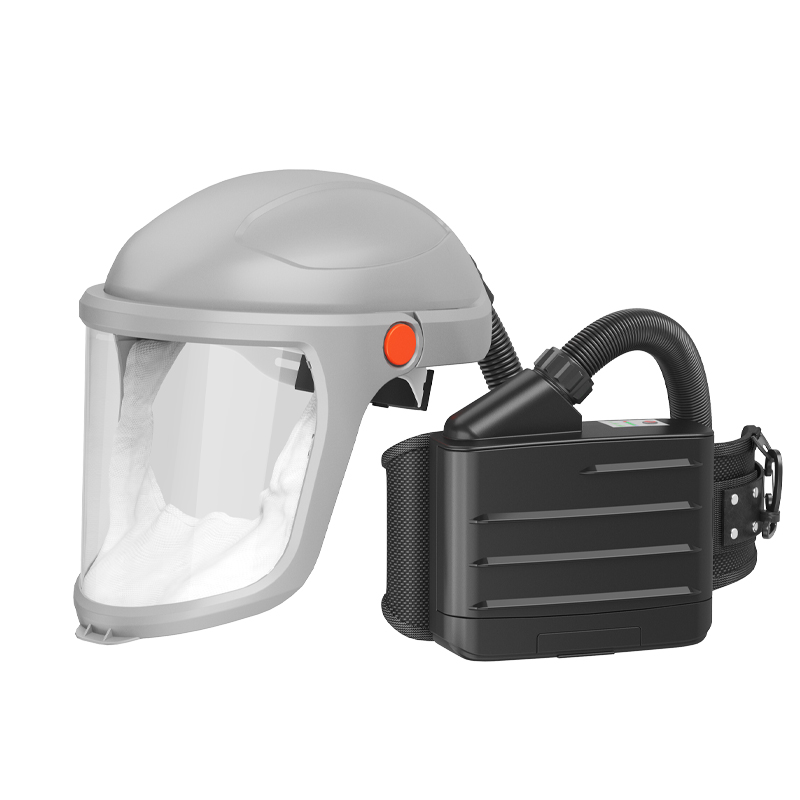
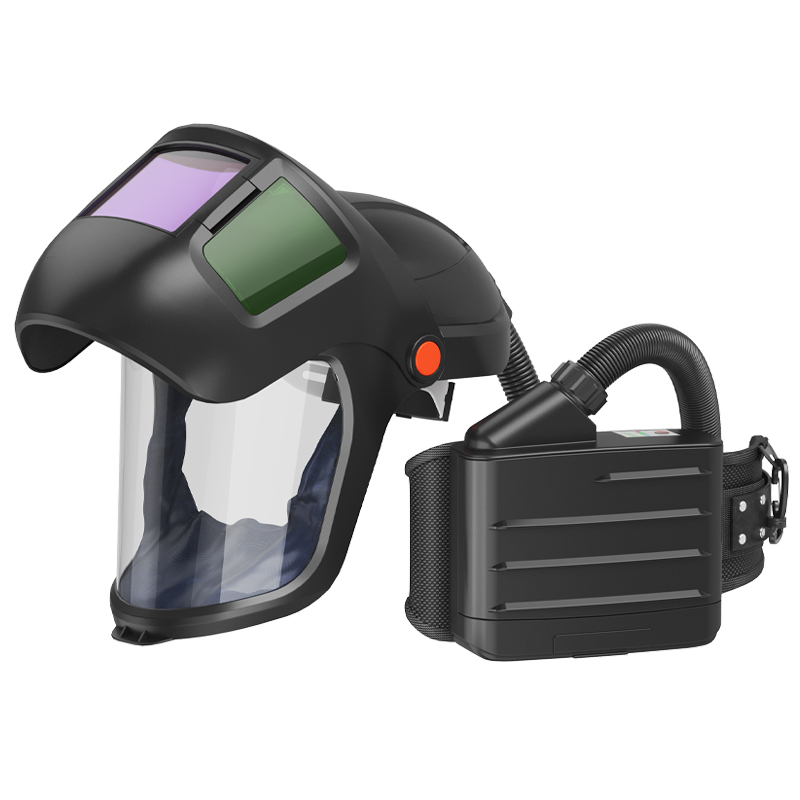
Bij houtbewerking denken mensen vaak aan rondvliegende houtkrullen en de rijke geur van hout. Maar weinigen besteden aandacht aan de onzichtbare 'gezondheidsbedreigende factor': houtstof. Veel vakmensen zijn gewend om tijdens het werk een gewoon masker te dragen, in de veronderstelling: "Zolang de grote deeltjes maar worden tegengehouden, is het prima." Maar met de toenemende aandacht voor gezondheid op de werkplek, kiezen steeds meer vakmensen voor alternatieve beschermingsmiddelen. PAPR-systeemLaten we vandaag eens onderzoeken waarom houtbewerking, een ogenschijnlijk 'alledaags' ambacht, zulke 'professionele' beschermingsmiddelen vereist. Ten eerste is het cruciaal om te begrijpen dat de gevaren van houtstof veel groter zijn dan u zich misschien voorstelt. Houtverwerking genereert niet alleen zichtbare houtsnippers, maar ook een grote hoeveelheid inhaleerbare deeltjes (PM2.5). Deze minuscule deeltjes kunnen diep in de luchtwegen doordringen en langdurige ophoping kan leiden tot beroepsziekten zoals pneumoconiose en bronchitis. Wat nog zorgwekkender is, is dat stof van sommige hardhoutsoorten (zoals palissander en eik) allergene bestanddelen bevat, die bij contact huidirritatie en astma-aanvallen kunnen veroorzaken. Reguliere maskers hebben ofwel een onvoldoende filterefficiëntie of sluiten slecht af – stof kan gemakkelijk door de openingen rond de neus en kin sijpelen, waardoor hun beschermende werking sterk afneemt. Het belangrijkste voordeel van een ademhalingsmasker met positieve luchtzuivering Het geheim zit hem in de "actieve bescherming + hoogefficiënte filtratie": het apparaat zuigt actief lucht aan via een ingebouwde ventilator, filtert deze door een HEPA-filter en voert de schone lucht vervolgens naar het masker, waardoor stof bij de bron wordt tegengehouden. De complexiteit van houtbewerkingsscenario's benadrukt nogmaals de onvervangbaarheid van PAPR-maskers. Houtbewerkers voeren uiteenlopende taken uit, van zagen en schaven tot schuren en afwerken. Elk proces produceert verschillende verontreinigende stoffen: het zagen van hardhout genereert veel scherpe houtspanen, schuren creëert ultrafijn stof en afwerken kan gepaard gaan met vluchtige organische stoffen (VOC's). Gewone maskers bieden vaak geen bescherming tegen dergelijke "samengestelde vervuiling", maar PAPR-maskers kunnen worden uitgerust met verschillende filters, afhankelijk van het proces. Ze filteren niet alleen stof, maar bieden ook bescherming tegen gasvormige verontreinigende stoffen zoals VOC's. Belangrijker nog, houtbewerking vereist vaak frequent bukken en draaien, waardoor gewone maskers gemakkelijk kunnen verschuiven. PAPR-maskers zijn echter ontworpen om nauwsluitend op het gezicht te passen en worden vastgezet met een hoofdband of veiligheidshelm. Zelfs bij het bukken om een tafelblad te schuren of bij het langdurig kantelen van het hoofd om hout te zagen, blijven ze goed afsluiten. Comfort tijdens lange werkdagen is een belangrijke reden waarom PAPR-systemen steeds populairder worden onder houtbewerkers. Het is niet ongebruikelijk dat houtbewerkers meer dan 8 uur per dag werken. Reguliere maskers, vooral de hoogwaardige maskers zoals N95's, hebben een slechte adembaarheid. Het langdurig dragen ervan kan leiden tot benauwdheid op de borst, kortademigheid en afdrukken op het gezicht. PAPR-systemen daarentegen handhaven een lichte overdruk in het masker door middel van een continue actieve luchttoevoer, waardoor de ademhaling soepeler verloopt en benauwdheid effectief wordt verminderd. Sommigen denken misschien dat aangedreven ademhalingsapparatuur Ze zijn duurder dan gewone maskers en bieden een slechte prijs-kwaliteitverhouding. Maar vanuit het perspectief van de gezondheidskosten op de lange termijn is deze investering absoluut de moeite waard. De behandelingskosten voor beroepsziekten zoals pneumoconiose zijn hoog, en eenmaal opgelopen zijn ze moeilijk te genezen, wat de levenskwaliteit en het arbeidsvermogen ernstig beïnvloedt. Een betrouwbaar PAPR-systeem kan lang meegaan, mits het filter regelmatig wordt vervangen. Het beschermt niet alleen uw gezondheid, maar voorkomt ook ziekteverzuim. Voor professionele houtbewerkingsbedrijven is het verstrekken van PAPR-systemen aan werknemers ook een uiting van maatschappelijk verantwoord ondernemen, wat de teamcohesie en de veiligheid op het werk kan verbeteren. Houtbewerking is een ambacht dat geduld en vindingrijkheid vereist. Het beschermen van uw gezondheid is essentieel om dit ambacht beter te kunnen uitoefenen. Gewone maskers zijn wellicht voldoende voor kortstondige blootstelling aan lichte stof, maar voor langdurige, complexe houtbewerkingswerkzaamheden zijn de hoogwaardige bescherming, het comfort en de gezondheidsveiligheid die PAPR-systemen bieden onvervangbaar door gewone beschermingsmiddelen. Laat "eraan gewend zijn" of "het is oké" geen verborgen bedreiging voor uw gezondheid worden. Voeg een PAPR-systeem toe aan uw werkbank en maak elke schaaf- en schuursessie een stuk veiliger. Klik hier voor meer informatie. www.newairsafety.com.
LEES VERDER




 IPv6-netwerk ondersteund