Jan 16, 2026
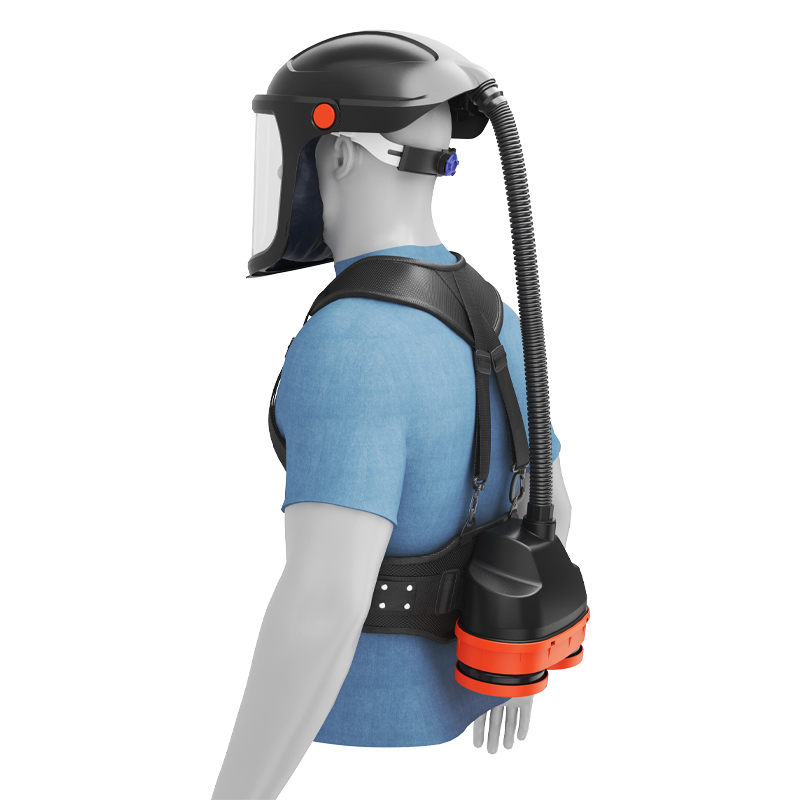
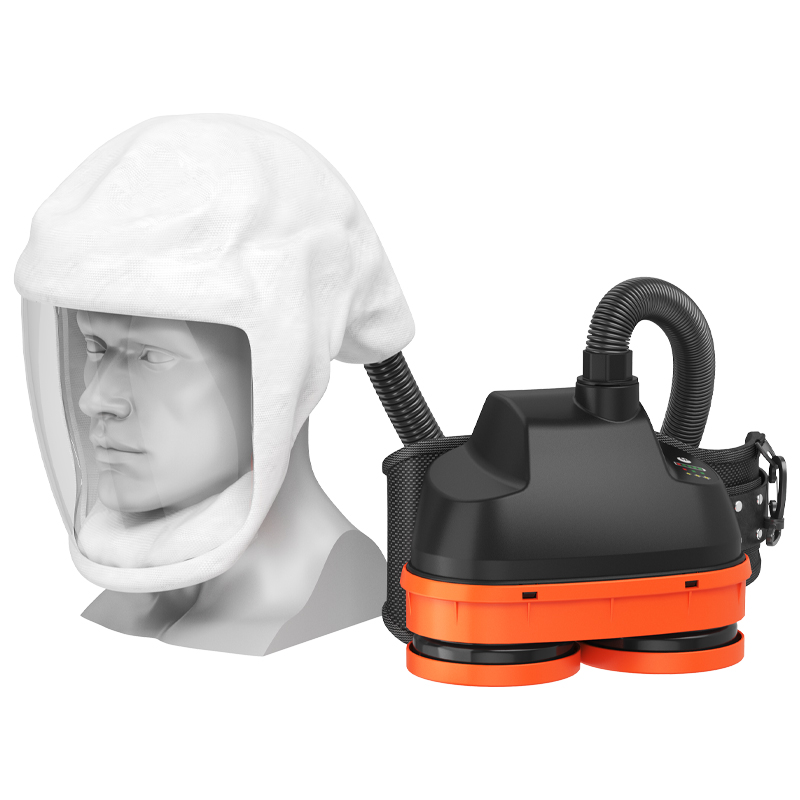
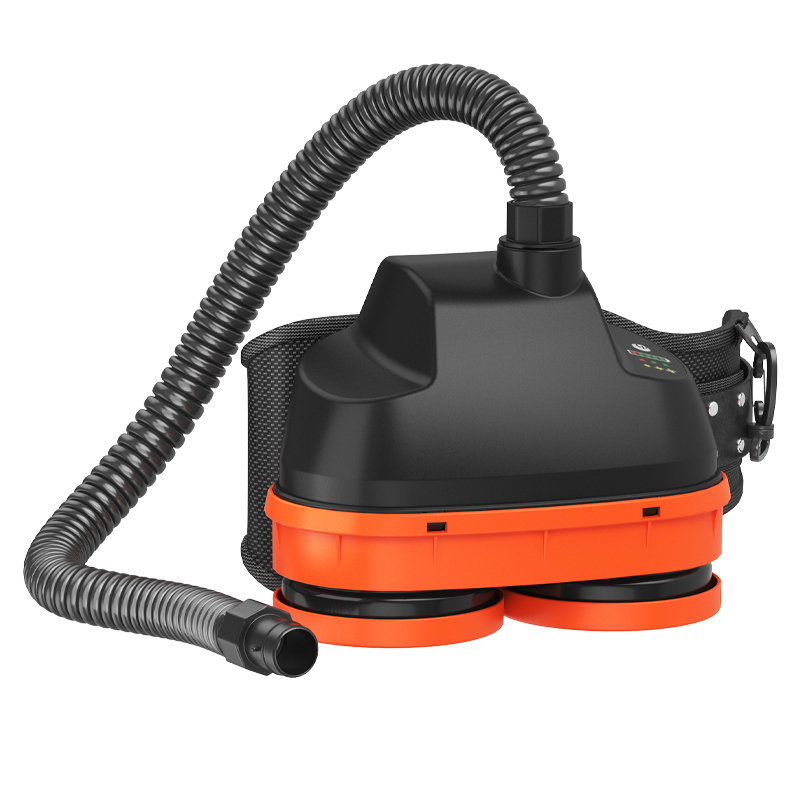
In ademhalingsmasker met luchtzuivering In toepassingsscenario's richten de meeste gebruikers zich meer op de filtratie-efficiëntie en het beschermingsniveau, maar ze zien vaak de potentiële impact van de luchtinlaatmodus op de daadwerkelijke werking over het hoofd. Dit artikel richt zich op de verschillen tussen luchtinlaten aan de voor-, zij- en achterkant met betrekking tot draagcomfort, compatibiliteit met verschillende scenario's, energieverbruik en aanpassing aan specifieke doelgroepen, vanuit het perspectief van operationele behoeften op locatie. De keuze van de luchtinlaatmodus is niet alleen van belang voor de bescherming, maar heeft ook een directe invloed op de bedrijfscontinuïteit, het uitvalpercentage van apparatuur en de acceptatie van de apparatuur door medewerkers. Dit is met name belangrijk in scenario's met meerdere wisselingen in de werkomstandigheden en bij langdurig gebruik. De kern van het concurrentievoordeel van een PAPR-systeem met luchtinlaat aan de voorzijde ligt in het lichte gewicht en de compatibiliteit met noodsituaties, in plaats van alleen de efficiëntie van de luchtstroom. Dit ontwerp concentreert de belangrijkste luchtinlaat- en filtercomponenten vóór het hoofd, waardoor het totale gewicht van de apparatuur geconcentreerder is en het zwaartepunt naar voren ligt. Hierdoor past het systeem op de meeste standaard hoofdvormen zonder extra aanpassingen aan de rug of taille, wat het gebruiksvriendelijker maakt voor slanke werknemers of werknemers met oude rugklachten. Bij noodhulp, tijdelijke inspecties en andere scenario's biedt een PAPR-systeem met luchtinlaat aan de voorzijde aanzienlijke voordelen, zoals het snel kunnen worden opgezet; zonder omslachtige slangverbindingen kan het direct na het uitpakken worden gedragen, waardoor tijd wordt gewonnen voor noodhulp. Er zijn echter ook potentiële nadelen: het naar voren gerichte zwaartepunt kan na langdurig dragen nekpijn veroorzaken, vooral in combinatie met een veiligheidshelm. De druk op het hoofd is geconcentreerd, waardoor het systeem minder geschikt is voor continu gebruik gedurende meer dan 8 uur. Tegelijkertijd wordt de lucht die via de voorste inlaat wordt aangevoerd gemakkelijk teruggeblazen door de ademluchtstroom, wat leidt tot condensvorming op het oppervlak van de filtereenheid. Dit maakt de filter in vochtige omgevingen vatbaar voor schimmelgroei, wat de levensduur van de filter en de ademhalingsgezondheid negatief beïnvloedt. Het belangrijkste voordeel van een PAPR met luchtinlaat aan de zijkant is aanpasbaarheid van de coördinatie van meerdere apparaten en comfort van de luchtstroom, Dit is de sleutel tot de eerste keuze voor uitgebreide werkomstandigheden. In industriële omgevingen moeten werknemers vaak veiligheidshelmen, veiligheidsbrillen, communicatieapparatuur en andere uitrusting dragen. De plaatsing van de luchtinlaat aan de zijkant voorkomt dat apparatuur ruimte inneemt voor en boven het hoofd, waardoor onderlinge interferentie wordt voorkomen en de stabiliteit van de veiligheidshelm niet wordt beïnvloed. In vergelijking met de directe luchtstroom van een luchtinlaat aan de voorkant, zorgt een luchtinlaat aan de zijkant voor een "luchttoevoer rondom het gezicht" via een luchtgeleidingsstructuur, met een zachtere luchtstroom. Dit voorkomt uitdroging door directe luchtstroom naar de neusholte en ogen en verbetert de tolerantie voor langdurig gebruik aanzienlijk. De beperkingen zitten voornamelijk in de tweezijdige toepasbaarheid: een luchtinlaat aan één kant kan leiden tot een ongelijke druk op het hoofd, terwijl een luchtinlaat aan beide kanten het volume van de apparatuur vergroot, waardoor deze kan botsen met schouderbescherming en gereedschap. Bovendien is het luchtgeleidingskanaal van de luchtinlaat aan de zijkant smal; als de filterprecisie onvoldoende is, kunnen onzuiverheden zich ophopen in de luchtgeleidingsopening, wat de luchtstroom beïnvloedt. De kernwaarde van de luchtinlaat aan de achterzijde PAPR luchtreiniger Dit ontwerp is uitermate geschikt voor extreme werkomstandigheden en het voorkomen van materiaalverlies, met name voor scenario's met hoge frequentie en hoge intensiteit. Door kerncomponenten zoals luchtinlaat, voeding en accu in de rug te integreren, blijven alleen een lichtgewicht kap en luchttoevoerslang op het hoofd over. Dit zorgt niet alleen voor volledig vrij werkoppervlak op het hoofd, maar voorkomt ook botsingen en slijtage van kerncomponenten tijdens gebruik, waardoor de onderhouds- en vervangingskosten van de apparatuur aanzienlijk worden verlaagd. Het gewicht van het ruggedeelte is gelijkmatig verdeeld; in combinatie met een verstelbare heupriem en schouderbanden wordt de belasting over het hele lichaam verdeeld. In vergelijking met luchtinlaten aan de voor- en zijkant is dit ontwerp beter geschikt voor langdurig en intensief gebruik. Bovendien kan het lange luchtstroomtraject aan de rug worden voorzien van een eenvoudige warmteafvoerconstructie om oververhitting van de apparatuur in omgevingen met hoge temperaturen te voorkomen. Deze configuratie stelt echter wel bepaalde eisen aan de werkomgeving: het ruggedeelte is relatief groot, waardoor het minder geschikt is voor smalle ruimtes, klimwerkzaamheden en andere situaties. Als het slangmateriaal, dat het belangrijkste verbindingsonderdeel vormt, gevoelig is voor buigen en veroudering bij grote bewegingen van de ledematen, en kan er gemakkelijk stof ophopen aan de binnenwand van de slang, waardoor de dagelijkse reiniging lastiger wordt dan bij apparatuur met luchtinlaat aan de voor- en zijkant. De kern van de selectie is de adaptieve eenheid van "mens-machine-omgeving", in plaats van de optimale individuele prestatie. Als de werkzaamheden voornamelijk bestaan uit tijdelijke inspecties en noodreparaties met een hoge mobiliteit van het personeel, verdient een PAPR met luchtinlaat aan de voorzijde de voorkeur vanwege de balans tussen draagcomfort en lichtgewicht. Voor reguliere industriële werkzaamheden waarbij meerdere beschermingsmiddelen en een lange werktijd vereist zijn, is een luchtinlaat aan de zijkant de beste keuze vanwege het comfort en de coördinatie. Voor frequente, intensieve werkzaamheden met strenge eisen aan de beheersing van apparatuurverlies, is een luchtinlaat aan de achterzijde kosteneffectiever. Daarnaast moet rekening worden gehouden met specifieke factoren: een luchtinlaat aan de voorzijde moet worden vermeden in omgevingen met een hoge luchtvochtigheid om condensvorming te voorkomen; een luchtinlaat aan de achterzijde moet worden uitgesloten bij werkzaamheden in krappe ruimtes, en in dat geval verdient een lichtgewicht luchtinlaat aan de voor- of zijkant de voorkeur. Voor scenario's met een hoge communicatiebehoefte is een luchtinlaat aan de zijkant gemakkelijker te coördineren met communicatieapparatuur. Het iteratieve ontwerp van PAPR-ademhalingsapparaat De verschillende luchtinlaatmodi zijn in essentie een diepgaande aanpassing aan de behoeften van het operationele scenario. Van de initiële luchtinlaat aan de voorzijde voor basisbescherming, via de luchtinlaat aan de zijkant voor een balans tussen comfort en coördinatie, tot de luchtinlaat aan de achterzijde voor extreme werkomstandigheden: elke modus heeft zijn eigen onvervangbare waarde. Voor bedrijven is het bij de selectie niet alleen belangrijk om te kijken naar de parameters van de apparatuur, maar ook om feedback van medewerkers op de werkvloer en de specifieke verschillen in operationele scenario's te combineren. Zo kan een PAPR-systeem een hulpmiddel worden om de operationele efficiëntie te verbeteren in plaats van een last, terwijl de veiligheid gewaarborgd blijft. In de toekomst, met de toenemende populariteit van modulaire ontwerpen, zullen schakelbare luchtinlaatmodi wellicht de norm worden, waardoor de beperkingen van een enkele luchtinlaatmodus verder worden doorbroken. Klik hier voor meer informatie. www.newairsafety.com.
LEES VERDER





 IPv6-netwerk ondersteund