Jan 22, 2026
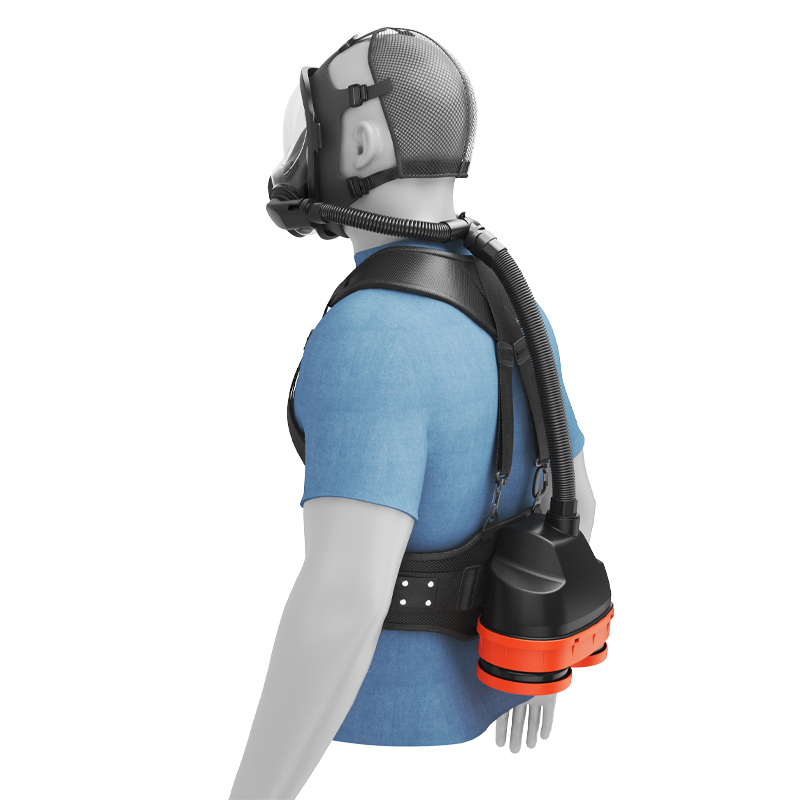
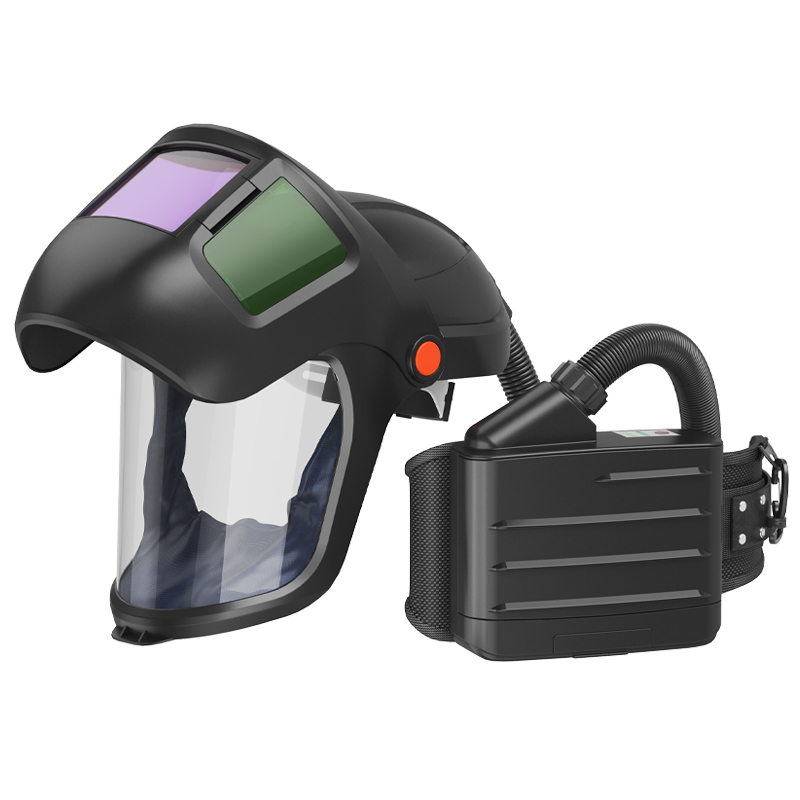
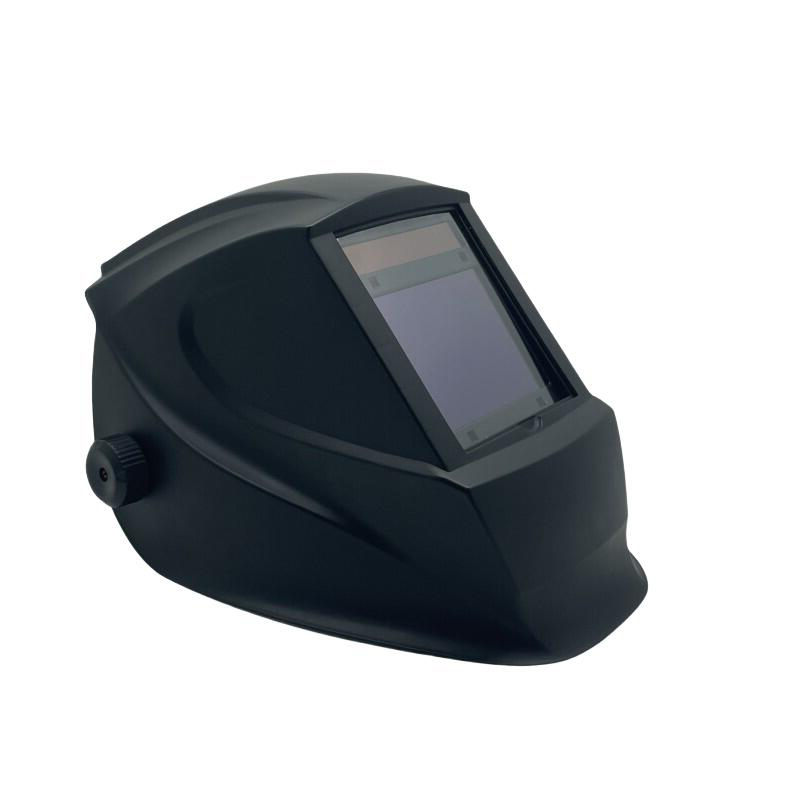
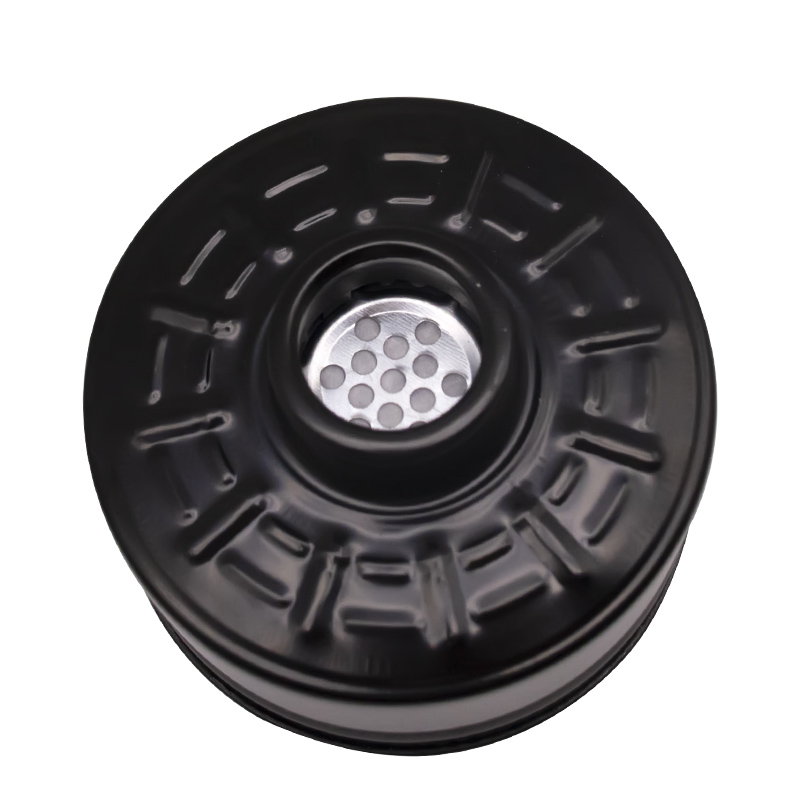
De productie van loodaccu's en de recycling van lood zijn risicovolle processen, waarbij loodhoudende verontreinigende stoffen zoals looddampen (deeltjesgrootte ≤0,1 μm), loodstof (deeltjesgrootte >0,1 μm) en zwavelzuurnevel vrijkomen in bepaalde processen. Deze verontreinigingen vormen een ernstige bedreiging voor de ademhalingsgezondheid van werknemers: chronische inademing van lood kan onherstelbare schade toebrengen aan het zenuwstelsel, de nieren en het hematopoëtisch systeem, terwijl zwavelzuurnevel de luchtwegen irriteert en weefsels aantast. Papr-systeem Dankzij hun ontwerp met overdruk, dat lekkage minimaliseert en ademhalingsvermoeidheid tijdens lange diensten vermindert, presteren ze beter dan traditionele ademhalingsmaskers met onderdruk in situaties met hoge blootstelling en zijn ze onmisbare beschermingsmiddelen geworden in deze sectoren. Bij de productie van loodzuuraccu's, PAPR-systeemkit De keuze moet aansluiten bij de specifieke risico's van elk proces. De bereiding van loodpoeder, het mengen van pasta en het gieten van platen genereren hoge concentraties loodstof en -dampen, waardoor ademhalingsbeschermingssystemen met hoogefficiënte deeltjesfiltering (PAPR's) in combinatie met HEPA-filters (filterefficiëntie ≥99,97% voor deeltjes van 0,3 μm) nodig zijn om fijne looddeeltjes af te vangen. Voor geautomatiseerde productielijnen met een matige stofconcentratie zijn PAPR's met luchttoevoer en kap ideaal: ze maken een pasvormtest op het gezicht overbodig, verhogen het comfort tijdens diensten van 6-8 uur en kunnen naadloos worden geïntegreerd met beschermende kleding. In het vormingsproces, waar zwavelzuurnevel veel voorkomt, zijn gecombineerde PAPR's (dubbele filtratie voor deeltjes en zure gassen) verplicht. Deze systemen maken gebruik van chemische adsorptie-elementen om zure dampen te neutraliseren en corrosie van de luchtwegen te voorkomen. Loodrecyclingprocessen zoals het vermalen, ontzwavelen en smelten van batterijen brengen complexere risico's met zich mee en vereisen specialistische kennis. ademhalingsapparaat met aangedreven lucht afgestemd op het scenario. Mechanisch breken en sorteren produceert een mengsel van loodstof en plastic deeltjes, waardoor duurzame PAPR's met betrouwbare filtersystemen en stofdichte behuizingen (IP65-beschermingsklasse aanbevolen) nodig zijn om de zware bedrijfsomstandigheden te weerstaan. Smeltprocessen produceren looddampen met hoge temperaturen, zwaveldioxide en in sommige gevallen dioxinen, waardoor hittebestendige gecombineerde filterende PAPR's met dubbele filterelementen vereist zijn. Deze systemen moeten zowel deeltjes als giftige gassen filteren, en het ontwerp van de kap moet bestand zijn tegen thermische vervorming en compatibel zijn met vlamvertragende beschermingsmiddelen voor een algehele veiligheid. Praktische details in het dagelijks gebruik hebben direct invloed op de beschermende werking van PAPR's en de naleving van de voorschriften door werknemers. Voor mobiele werkzaamheden (bijvoorbeeld recycling op locatie) hebben draagbare PAPR's op batterijen de voorkeur, uitgerust met vervangbare batterijen om ononderbroken bescherming gedurende een werkdag van 8 uur te garanderen. De materialen van de apparatuur moeten bestand zijn tegen gangbare ontsmettingsmiddelen zoals waterstofperoxide om dagelijkse ontsmetting te vergemakkelijken en kruisbesmetting tussen ploegen te voorkomen. Regelmatig onderhoud is essentieel: deeltjesfilters moeten onmiddellijk worden vervangen wanneer de weerstand toeneemt, gasfilters binnen 6 maanden na opening en PAPR-systemen moeten elk kwartaal worden gekalibreerd om ervoor te zorgen dat de overdruk en de luchtstroom (minimaal 95 l/min voor volgelaatsmodellen) voldoen aan de standaardvereisten. Naast de selectie van de juiste apparatuur is het opzetten van een uitgebreid ademhalingsbeschermingssysteem eveneens cruciaal. Prioriteit moet worden gegeven aan geautomatiseerde processen en gesloten systemen om blootstelling bij de bron te verminderen, waarbij PAPR's (Powered Air Purifying Respirators) de belangrijkste laatste verdedigingslinie vormen. Door standaardconforme, procesaangepaste PAPR's te integreren met degelijke veiligheidsprotocollen, kunnen bedrijven in de loodaccu-industrie en loodrecycling de gezondheid van werknemers beschermen, voldoen aan wettelijke eisen en duurzame industriële praktijken bevorderen. Klik hier voor meer informatie. www.newairsafety.com.
LEES VERDER



 IPv6-netwerk ondersteund