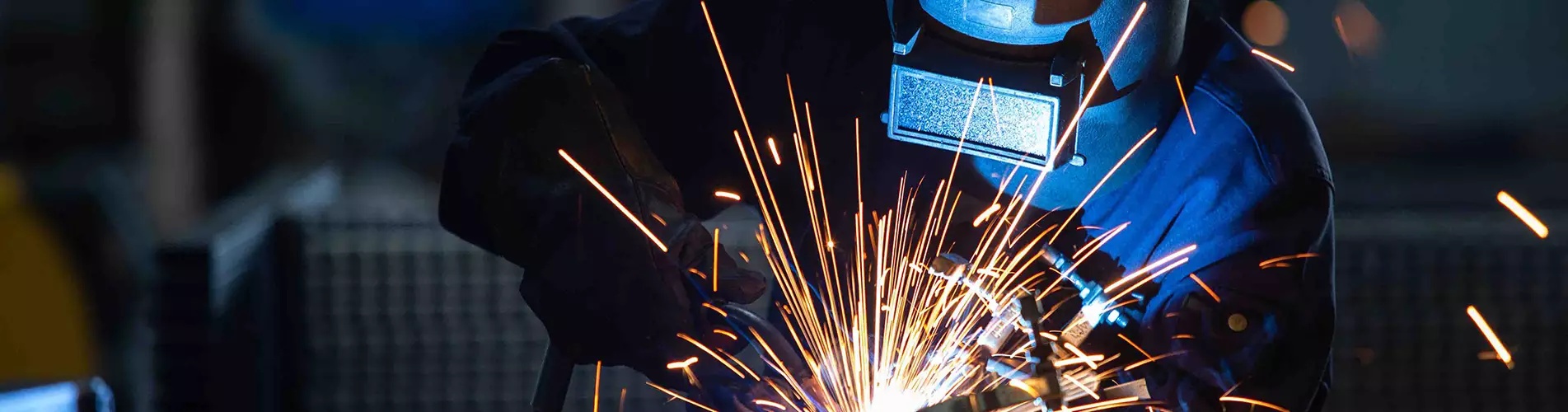
Bij het lakken van auto's zijn de glans en gladheid van de lak de belangrijkste procesdoelen, maar de potentiële risico's van schadelijke stoffen verdienen meer aandacht. Van roestverwijdering met primer en het aanbrengen van de basislak tot het afwerken met blanke lak, het hele proces genereert een dubbele vorm van vervuiling: enerzijds verfneveldeeltjes met een diameter van 0,1-5 micron, die direct kunnen worden ingeademd en in de longen terechtkomen; anderzijds organische dampen die vrijkomen uit oplosmiddelen in de verf, zoals tolueen, xyleen, ethylacetaat en andere vluchtige organische stoffen (VOC's), die niet alleen een penetrante geur hebben, maar bij langdurige blootstelling ook het zenuwstelsel en de luchtwegen kunnen beschadigen. Gewone stofmaskers kunnen alleen grote deeltjes tegenhouden, terwijl actieve koolmaskers een beperkte absorptiecapaciteit hebben en snel verzadigd raken. Alleen gasfilters met een gerichte filtering kunnen tegelijkertijd deeltjes en organische dampen blokkeren en vormen daarmee de "kernverdediging" voor de bescherming van autolak. Vandaag bespreken we waarom gaspatronen met giftige stoffen onmisbaar zijn bij het lakken van auto's en of de populaire A2P3-patroon hiervoor wel echt geschikt is.
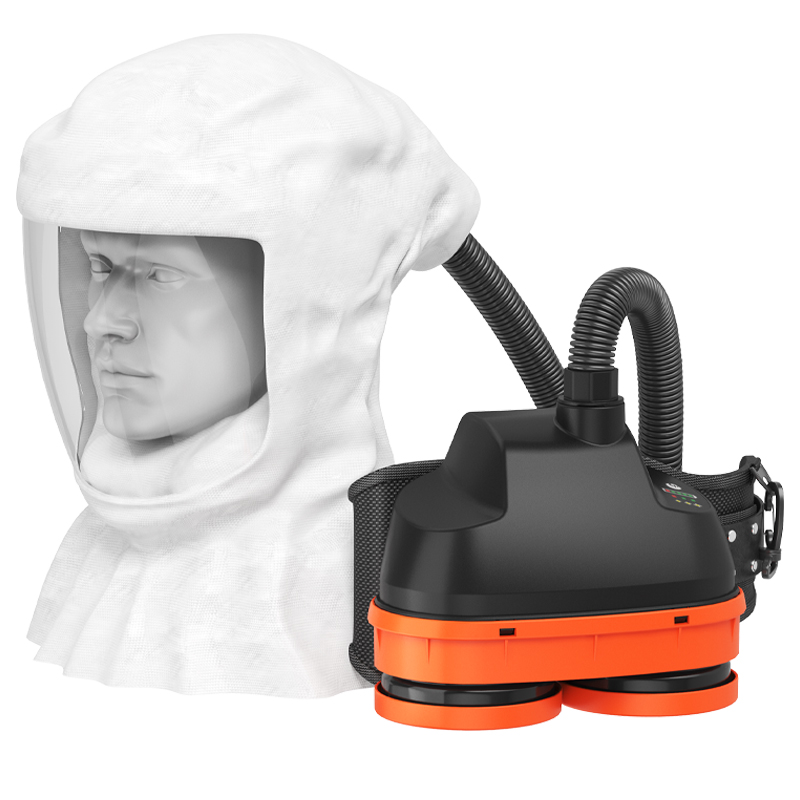
De "samengestelde vervuiling" die kenmerkend is voor autolakken, maakt dat cartridges met giftige gassen geen "optioneel onderdeel" zijn, maar een "noodzakelijke configuratie"—vooral in combinatie met een Batterijgevoed ademhalingsapparaat (PAPR). Ten eerste zijn de synergetische gevaren van verfneveldeeltjes en organische dampen veel groter dan die van afzonderlijke vervuiling: fijne deeltjes fungeren als 'dragers' voor organische dampen, die dieper in de luchtwegen doordringen en de giftige infiltratie versterken. Gewone beschermingsmiddelen kunnen beide niet aan: enkelvoudige stofmaskers blokkeren organische dampen niet, terwijl filterboxen voor organische dampen verstopt raken door verfnevel, wat leidt tot een scherpe daling van de filtratie-efficiëntie. Ten tweede vereist de continuïteit van schilderwerkzaamheden stabiele en duurzame beschermingsmiddelen. Toxische gasfilters hebben een dubbellaagse structuur van 'deeltjesvoorfiltratie + chemische adsorptie': verfnevel wordt eerst onderschept door de voorfiltratielaag om verstopping van de adsorptielaag te voorkomen, en actieve kool en andere adsorberende materialen vangen organische dampen efficiënt op, waardoor stabiele bescherming wordt gegarandeerd gedurende urenlang continu gebruik in combinatie met een PAPR. Belangrijker nog, gecertificeerde toxische gasfilters moeten professionele certificeringen doorstaan, waarbij hun filtratie-efficiëntie en beschermingsbereik streng worden getest om te voldoen aan de veiligheids- en nalevingseisen van schilderscenario's.
De kern van de keuze voor de juiste filtercartridge voor giftige gassen is het nauwkeurig afstemmen op het type en de concentratie van de vervuiling. Dit vereist eerst inzicht in de modelcodering van filtercartridges voor giftige gassen. Het model van een filtercartridge voor giftige gassen bestaat meestal uit een "beschermingstypecode + beschermingsniveau". Zo staat "Klasse A" bijvoorbeeld voor bescherming tegen organische dampen, "Klasse P" voor bescherming tegen deeltjes, en het cijfer achter de letter geeft het beschermingsniveau aan (hoe hoger het cijfer, hoe hoger het niveau). De belangrijkste vervuiling bij autospuiten bestaat uit "organische dampen + verfneveldeeltjes". Daarom moet de keuze gericht zijn op een gecombineerd beschermingstype dat zowel "organische dampen als deeltjes" afdekt, in plaats van cartridges met slechts één functie. Gezien de gangbare praktijk en de kenmerken van de vervuiling, is de A2P3-cartridge precies het meest geschikte basismodel voor autospuiten. Daarnaast zijn flexibele aanpassingen nodig: voor situaties met hoge concentraties, zoals in gesloten spuitcabines, is een upgrade naar A3P3 aan te raden; voor het spuiten van watergedragen lakken, waarbij de verfneveldeeltjes fijner zijn, is niveau P3 vereist, maar de basis van de gecombineerde bescherming blijft A2P3 als referentie. Het blindelings kiezen voor gaspatronen met slechts één type of een lage concentratie giftige gassen komt neer op "passieve blootstelling" aan vervuilingsrisico's.
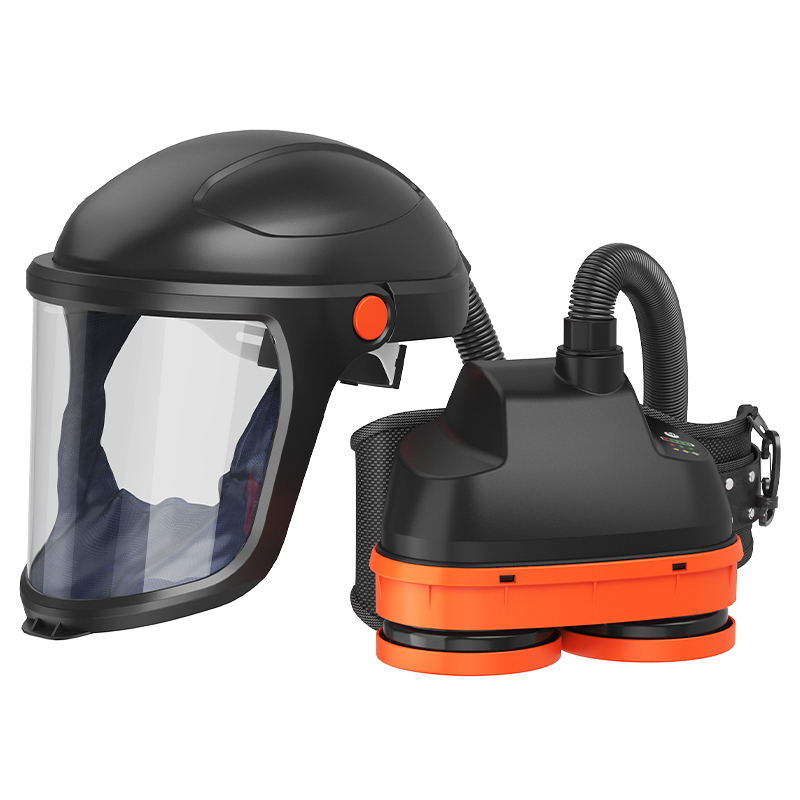
Als hét "gouden voorbeeld" voor autolakken, vooral in combinatie met een PAPR-ademhalingssysteemDe aanpasbaarheid van de A2P3-cartridge komt voort uit de precieze afstemming op de vervuiling door verf. Laten we eerst de kernwaarde van het model analyseren: "A2" staat voor bescherming tegen organische dampen met een gemiddelde concentratie (gangbare verfoplosmiddelen zoals tolueen, xyleen en ethylacetaat hebben allemaal kookpunten hoger dan 65 °C, waardoor het beschermingsbereik van A2 volledig wordt gedekt), en "P3" zorgt voor een zeer efficiënte deeltjesafvang (filtratie-efficiëntie ≥99,95%, met een afvangpercentage van bijna 100% voor verfneveldeeltjes van 0,1-5 micron). Wat betreft de toepasbaarheid in verschillende scenario's: of het nu gaat om plaatselijk bijwerken van verf in autoreparatiewerkplaatsen, het volledig spuiten van voertuigen in kleine spuitwerkplaatsen of algemene werkzaamheden met gangbare verf op olie- of waterbasis, de concentratie organische dampen is meestal gemiddeld en de diameter van verfneveldeeltjes ligt tussen 0,3 en 5 micron. Dit sluit perfect aan bij de beschermingsparameters van de A2P3 en de luchttoevoercapaciteit van een standaard PAPR-systeem. In de praktijk kan de dubbellaagse structuur van "voorfilterlaag + hoogefficiënte adsorptielaag" eerst verfnevel opvangen om verstopping van de adsorptielaag te voorkomen, waardoor de continue levensduur wordt verlengd tot 4-8 uur, wat ruimschoots voldoet aan de dagelijkse schilderwerkzaamheden. De enige uitzondering: bij het spuiten van speciale oplosmiddelhoudende verven met een hoge concentratie (zoals geïmporteerde metallic verven met een hoog vaststofgehalte) of bij continu gebruik in volledig afgesloten ruimtes, is een upgrade naar A3P3 vereist. A2P3 blijft echter de beste keuze voor meer dan 90% van de conventionele schilderscenario's in combinatie met een PAPR.
Na de selectie van het basismodel A2P3 is correct gebruik essentieel om de beschermingswaarde te maximaliseren. Drie belangrijke details vereisen aandacht: ten eerste, de juiste ondersteunende apparatuur – deze moet worden gebruikt met een persoonlijk ademhalingsmasker met luchtzuivering of een luchtdicht gasmasker, en een luchtdichtheidstest ondergaan om lekkage te voorkomen en zo te voorkomen dat de cartridge "gekwalificeerd maar onvoldoende bescherming" biedt; ten tweede, een waarschuwingsmechanisme voor verzadiging instellen: wanneer een oplosmiddelgeur wordt waargenomen of de ademweerstand aanzienlijk toeneemt, de cartridge onmiddellijk vervangen, zelfs als de theoretische levensduur nog niet is bereikt. De maximale gebruiksduur van A2P3 bij gemiddelde concentraties is doorgaans niet meer dan 8 uur; ten derde, opslag en onderhoud standaardiseren: de houdbaarheid van ongeopende A2P3 is 3 jaar; na opening, indien niet gebruikt, moet de cartridge luchtdicht worden afgesloten en maximaal 30 dagen worden bewaard, uit de buurt van vocht en direct zonlicht, om degradatie van de adsorptieprestaties te voorkomen. Kortom, de kern van de bescherming van autolak is "nauwkeurige afstemming op de samengestelde vervuiling". Met zijn precieze beschermingscombinatie van "organische dampen + hoogefficiënte deeltjes" is de A2P3-cartridge het meest geschikte model voor de meeste scenario's. Gebaseerd op A2P3 en flexibel aangepast aan de scenario-concentratie, kan de giftige gascartridge een echt "gezondheidsschild" worden voor spuiters.Als u meer wilt weten, klik dan hier.www.newairsafety.com.




 IPv6-netwerk ondersteund